

Adventure Cars and Wildlife Encounters: Vehicles Built for Safari and Nature Tours
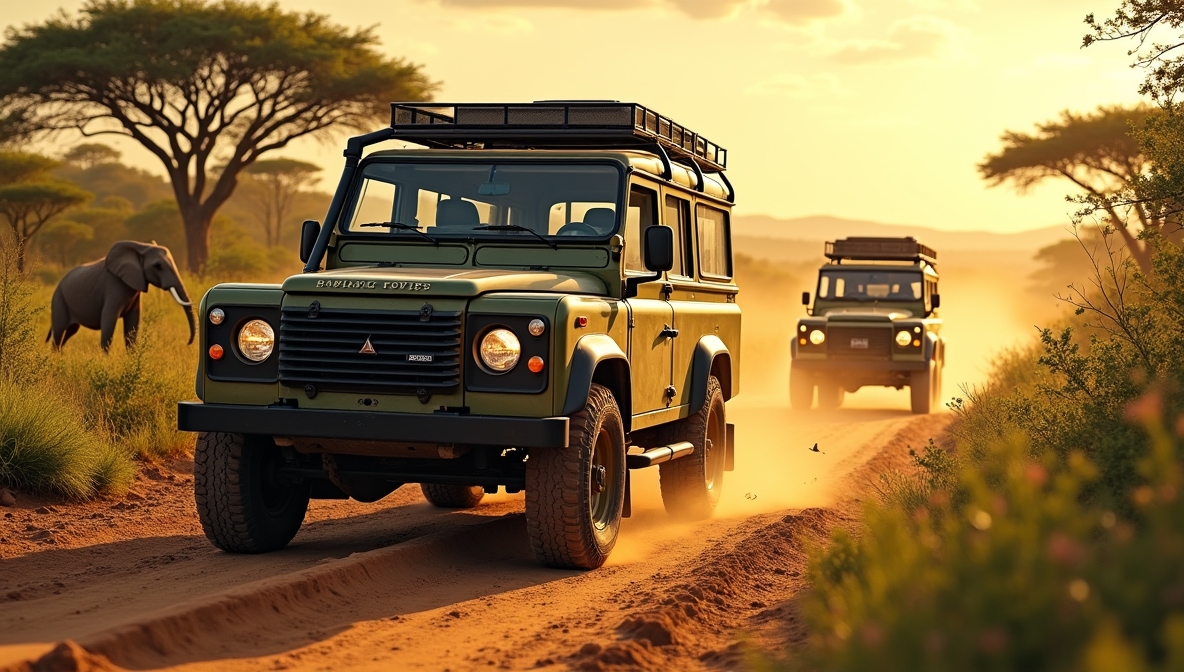
Wildlife tourism has become one of the most popular forms of adventure travel in the world. From the vast savannas of East Africa and the deserts of Southern Africa to the rainforests of South America and the national parks of North America, millions of travelers seek opportunities to observe animals in their natural habitats. While guides, conservation programs, and protected ecosystems play crucial roles in these experiences, one often overlooked element is the vehicle itself. Specialized safari and nature-tour vehicles serve as the bridge between people and wildlife, allowing visitors to safely access remote landscapes while minimizing disturbance to the surrounding environment.
Unlike ordinary passenger cars, vehicles used for wildlife excursions are specifically adapted to challenging terrain, long operating hours, unpredictable weather conditions, and unique viewing requirements. Their design reflects a combination of engineering practicality, environmental considerations, local traditions, and cultural expectations. Understanding how these vehicles are built and used provides valuable insight into the broader world of nature-based tourism.
The Unique Challenges of Wildlife Tourism
Wildlife tours frequently take place in environments that are difficult to access using conventional road vehicles. Safari routes may cross sandy tracks, muddy roads, rocky trails, riverbeds, grasslands, mountainous terrain, or dense jungle paths. In many protected areas, paved roads are limited or entirely absent.
Tour operators require vehicles capable of navigating these conditions safely while carrying multiple passengers and equipment. Reliability is especially important because mechanical failures in remote wilderness regions can create logistical challenges and potentially affect visitor safety.
At the same time, vehicles must provide clear visibility for wildlife observation and photography. The ability to quietly approach animals without causing unnecessary disturbance is often just as important as off-road capability.
Why Four-Wheel Drive Dominates Safari Tourism
Four-wheel-drive systems have become the standard for wildlife-tour vehicles because they provide improved traction and stability across a variety of surfaces. Sand, mud, loose gravel, and uneven terrain can quickly overwhelm standard two-wheel-drive vehicles.
Many safari operators rely on rugged off-road platforms capable of handling extreme conditions over long periods. High ground clearance allows vehicles to navigate obstacles while reducing the risk of underbody damage. Reinforced suspension systems help manage rough terrain while maintaining passenger comfort.
Durability often takes priority over luxury. In many wildlife destinations, vehicles may travel hundreds of kilometers between maintenance facilities, making reliability a critical factor in vehicle selection.
Open-Air Designs for Wildlife Viewing
One of the defining characteristics of safari vehicles is their emphasis on visibility. Unlike traditional automobiles, many wildlife-tour vehicles feature open sides, removable roofs, elevated seating, or specially designed observation platforms.
These modifications allow passengers to enjoy unobstructed views of animals and landscapes. Photographers particularly benefit from open-air configurations that eliminate reflections and visual barriers.
In some regions, vehicles use tiered seating arrangements that elevate rear passengers above those seated in front. This design improves visibility while ensuring that every guest has an opportunity to observe wildlife comfortably.
Safety remains a central consideration despite the open design. Professional guides are trained to position vehicles appropriately and maintain safe distances from animals while maximizing viewing opportunities.
Safari Vehicles in Africa
Africa is perhaps the region most closely associated with safari tourism. Countries such as Kenya, Tanzania, Botswana, Namibia, South Africa, Zambia, and Zimbabwe have developed extensive wildlife tourism industries supported by specialized vehicle fleets.
Many African safari vehicles are modified versions of robust off-road platforms. Extended wheelbases provide additional passenger capacity, while reinforced roofs offer shade from intense sunlight. Roof hatches are particularly common, allowing passengers to stand safely while observing wildlife.
The iconic safari vehicle has become a recognizable symbol of African tourism. Its design reflects decades of adaptation to local conditions, balancing durability, functionality, and visitor experience.
In some areas, safari vehicles are customized by local workshops, creating distinctive regional styles that reflect local craftsmanship and tourism traditions.
Vehicles for Jungle Expeditions
Wildlife viewing in tropical rainforests presents different challenges from open savannas. Dense vegetation, narrow trails, heavy rainfall, and high humidity require specialized solutions.
Jungle-tour vehicles often prioritize maneuverability and protection from environmental conditions. Enclosed cabins may be more common to shield passengers from insects, rain, and dense foliage.
In regions such as the Amazon Basin, Southeast Asia, and Central America, vehicles are frequently combined with boats and walking tours to access diverse habitats. Transportation systems become part of a larger ecotourism infrastructure designed around environmental sensitivity and visitor safety.
Because visibility in forests is often limited, guides rely heavily on local knowledge and tracking skills rather than simply covering large distances.
National Parks and Scenic Wildlife Routes
Outside traditional safari destinations, many national parks utilize specialized vehicles for wildlife observation. In North America, Europe, Australia, and parts of Asia, nature-tour vehicles are commonly used for birdwatching, wildlife photography, geological exploration, and educational excursions.
These vehicles often place greater emphasis on passenger comfort while maintaining off-road capability. Large windows, quiet engines, climate control systems, and advanced safety features enhance the visitor experience.
Some parks restrict private vehicle access in sensitive areas and instead use authorized tour vehicles to reduce environmental impact and traffic congestion. This approach helps protect habitats while improving wildlife viewing opportunities.
Environmental Considerations and Sustainability
As ecotourism continues to grow, operators are increasingly focused on reducing the environmental footprint of wildlife-tour vehicles. Traditional diesel-powered fleets are gradually being supplemented by hybrid and electric alternatives in some destinations.
Electric safari vehicles offer several potential advantages. Reduced noise allows closer observation of wildlife without disturbing animal behavior. Lower emissions contribute to sustainability goals and help protect fragile ecosystems.
Although charging infrastructure remains a challenge in remote wilderness areas, advances in battery technology are expanding the feasibility of electric vehicles in nature tourism.
Many operators are also implementing responsible driving practices that minimize habitat disturbance, reduce soil erosion, and protect sensitive vegetation.
Cultural Significance of Safari Vehicles
Beyond their practical role, safari vehicles have become cultural icons associated with adventure, exploration, and conservation. Images of open-top vehicles crossing vast landscapes have shaped public perceptions of wildlife tourism for generations.
In many communities, safari operations provide employment opportunities for drivers, mechanics, guides, and tourism professionals. Vehicle-based tourism often supports local economies while generating funding for conservation initiatives.
The vehicles themselves can reflect local identity. Design modifications, color schemes, and operational practices often evolve according to regional traditions and environmental conditions.
As a result, safari vehicles represent more than transportation; they serve as symbols of the relationship between tourism, wildlife conservation, and local communities.
Safety in Wildlife Encounters
Safety remains one of the most important functions of wildlife-tour vehicles. Large animals such as elephants, buffalo, rhinoceroses, bears, and big cats can be unpredictable. Properly designed vehicles provide a protective barrier while allowing close observation.
Guides receive specialized training in animal behavior and risk assessment. Vehicle positioning, communication protocols, and emergency procedures help ensure that wildlife encounters remain safe for both animals and visitors.
The goal is not merely to observe wildlife but to do so responsibly and respectfully. Well-designed vehicles support this objective by minimizing stress on animals while maximizing educational and recreational value.
The Future of Adventure Tourism Vehicles
Technological innovation is likely to transform wildlife-tour vehicles in the coming decades. Electric powertrains, advanced navigation systems, improved suspension technologies, and sustainable materials may become increasingly common.
At the same time, the core purpose of these vehicles will remain unchanged: providing safe and meaningful access to natural environments. As conservation priorities continue to evolve, vehicle design will likely place even greater emphasis on sustainability, environmental compatibility, and responsible tourism practices.
Conclusion
Adventure vehicles used in safaris, national parks, and nature tours are far more than simple modes of transportation. They are carefully engineered tools that connect people with wildlife while addressing the challenges of remote environments, passenger safety, and environmental responsibility. From the open-air safari vehicles of Africa to specialized jungle transports and modern ecotourism fleets, these vehicles play a vital role in shaping wildlife experiences around the world. Their evolution reflects the ongoing balance between exploration, conservation, cultural traditions, and technological innovation, ensuring that future generations can continue to experience the natural world in meaningful and sustainable ways.