

Family Road Trips with EVs: Balancing Charging, Comfort, and Kid-Friendly Stops
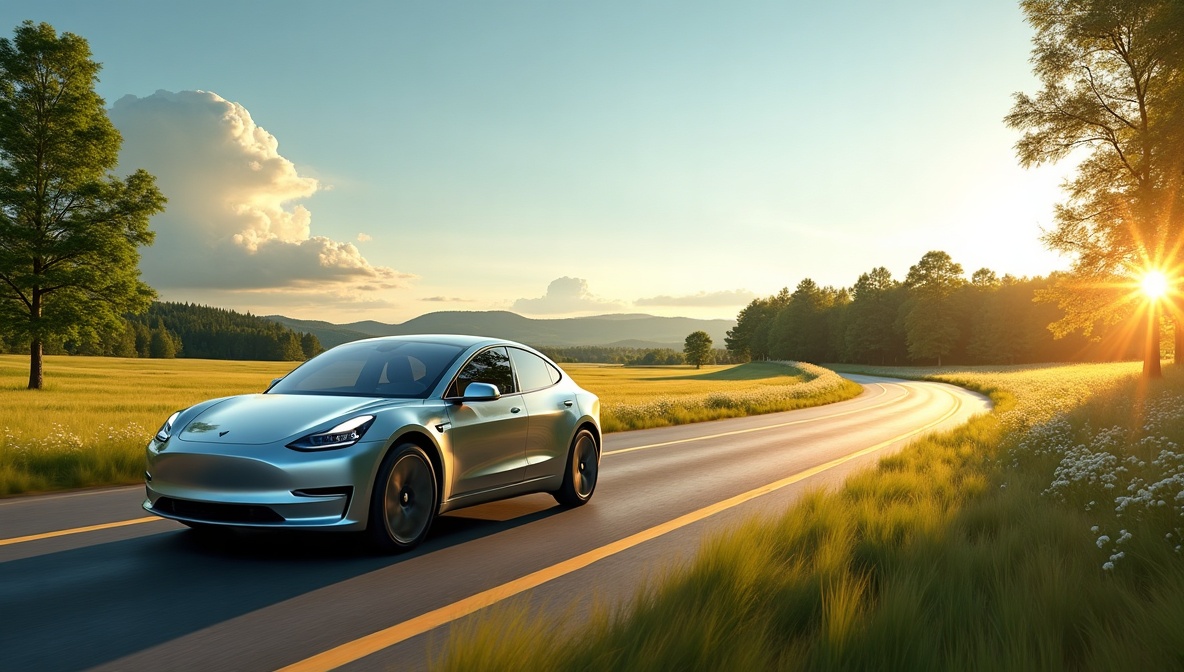
Family road trips have long been associated with freedom, exploration, and unforgettable memories. As electric vehicles (EVs) become increasingly popular, more families are choosing them for long-distance travel. While EVs offer lower operating costs, reduced environmental impact, and advanced technology features, planning a family road trip in an electric vehicle requires a different approach compared to traditional gasoline-powered cars. Charging schedules, overnight accommodations, comfort considerations, and entertainment for children all become important parts of the journey.
Fortunately, with proper preparation and realistic expectations, traveling long distances with an EV can be both enjoyable and stress-free. In many ways, the natural pauses required for charging can actually create opportunities for healthier, more relaxed family travel experiences.
Understanding the New Rhythm of EV Travel
One of the biggest differences between traveling in an electric vehicle and a conventional car is the relationship between driving and refueling. Gasoline vehicles can typically be refueled in just a few minutes, while EV charging often requires longer stops. Rather than viewing this as an inconvenience, successful EV travelers learn to build these breaks into the overall travel experience.
Modern electric vehicles can often travel between 250 and 400 miles on a full charge, depending on the model, driving conditions, weather, and cargo load. However, families should avoid planning routes based solely on maximum range estimates. Maintaining a comfortable charging buffer helps reduce stress and allows greater flexibility if traffic, weather, or charger availability changes unexpectedly.
Instead of trying to drive as far as possible without stopping, families can embrace a more balanced pace that includes regular breaks for meals, stretching, sightseeing, and relaxation.
Choosing the Right Route
Route planning is one of the most important aspects of an EV road trip. Today’s navigation systems and charging network applications make this process much easier than it was only a few years ago. Advanced route planners can automatically identify charging stations, estimate battery usage, and suggest optimal charging locations.
When traveling with children, the best charging stops are not necessarily the fastest chargers. Families should look for locations that offer additional amenities such as restaurants, playgrounds, parks, restrooms, and walking areas. A 30-minute charging stop becomes far more enjoyable when children can burn off energy while parents take a break from driving.
It is also wise to identify backup charging stations along the route. Although charging infrastructure continues to improve, unexpected maintenance issues or busy stations can occasionally create delays. Having alternative options reduces anxiety and helps maintain a smooth travel schedule.
Planning Overnight Stays
Overnight accommodations can significantly influence the success of an EV road trip. Many hotels, resorts, and vacation rentals now offer EV charging facilities for guests. Charging overnight allows families to begin each day with a nearly full battery, minimizing the need for early charging stops.
When selecting accommodations, travelers should verify charging availability directly rather than relying solely on booking descriptions. Some properties have limited charging stations that may require reservations or operate on a first-come, first-served basis.
Choosing hotels near attractions, parks, or family-friendly restaurants can further simplify travel logistics. An overnight stop becomes more than just a place to sleep; it becomes part of the overall vacation experience.
For longer journeys spanning multiple days, strategic overnight charging can dramatically reduce total travel time. Rather than spending an extra hour at a fast charger during the day, the vehicle can recharge while everyone sleeps.
Keeping Children Comfortable During Long Drives
Comfort is essential for maintaining a positive atmosphere on any family road trip. Electric vehicles often provide advantages in this area thanks to their quiet cabins, smooth acceleration, and advanced climate control systems.
Nevertheless, children can become restless during extended periods of travel. Frequent charging stops provide natural opportunities for movement and activity. Rather than seeing charging time as lost time, parents can treat it as a scheduled break for stretching, snacks, and exploration.
Packing thoughtfully also contributes to comfort. Travel pillows, blankets, favorite toys, books, and electronic devices can help children remain entertained. Organizing supplies so they are easily accessible reduces frustration and keeps the cabin environment more relaxed.
Parents may also benefit from involving children in the trip planning process. Allowing them to help choose attractions, parks, or restaurants along the route creates a sense of participation and anticipation.
Turning Charging Stops into Family Experiences
One of the hidden advantages of EV travel is that charging encourages families to slow down. Traditional road trips often focus on reaching the destination as quickly as possible. Electric vehicle travel naturally promotes a more balanced approach.
Charging stops can become opportunities to discover local attractions that might otherwise be overlooked. Small museums, scenic viewpoints, walking trails, playgrounds, farmers’ markets, and local cafés can transform routine charging sessions into memorable travel moments.
Children often appreciate these breaks because they provide variety throughout the journey. Instead of remaining confined to the vehicle for hours, they can explore new environments while the car recharges.
Many families discover that EV travel encourages a more enjoyable pace, where the journey itself becomes an important part of the vacation rather than merely transportation between destinations.
Managing Weather and Battery Performance
Weather conditions play a significant role in electric vehicle efficiency. Cold temperatures can reduce battery performance, while extreme heat may increase energy consumption due to air conditioning use. Families planning road trips should consider seasonal conditions when estimating range.
Strong headwinds, mountainous terrain, and heavy cargo loads can also influence battery consumption. Monitoring energy usage through the vehicle’s navigation system helps drivers adjust plans as needed.
The key is flexibility. Successful EV travelers understand that real-world conditions may differ from initial estimates. Maintaining reasonable charging margins allows families to adapt without unnecessary stress.
The Future of Family EV Travel
Charging infrastructure continues to expand rapidly across many regions. Faster charging technology, larger battery capacities, and improved route-planning software are making electric vehicle travel increasingly convenient for families.
Future developments may further reduce charging times and improve station availability, making EV road trips nearly as seamless as traditional travel. At the same time, families are discovering benefits that go beyond efficiency. Slower travel rhythms, scheduled breaks, and opportunities for exploration often create richer travel experiences.
Conclusion
Planning a family road trip in an electric vehicle requires thoughtful preparation, but it also offers unique advantages. By carefully coordinating charging stops, selecting accommodations with charging facilities, prioritizing comfort, and incorporating child-friendly activities into the journey, families can transform potential challenges into memorable experiences. Rather than viewing charging as an interruption, successful EV travelers embrace it as part of a more relaxed and enjoyable style of exploration. As electric vehicles continue to evolve, family road trips are becoming not only practical but also an exciting new way to experience the open road together.