

Car Seat Cushions and Orthopedic Seats for Long Drives: Protecting Your Back on Every Journey
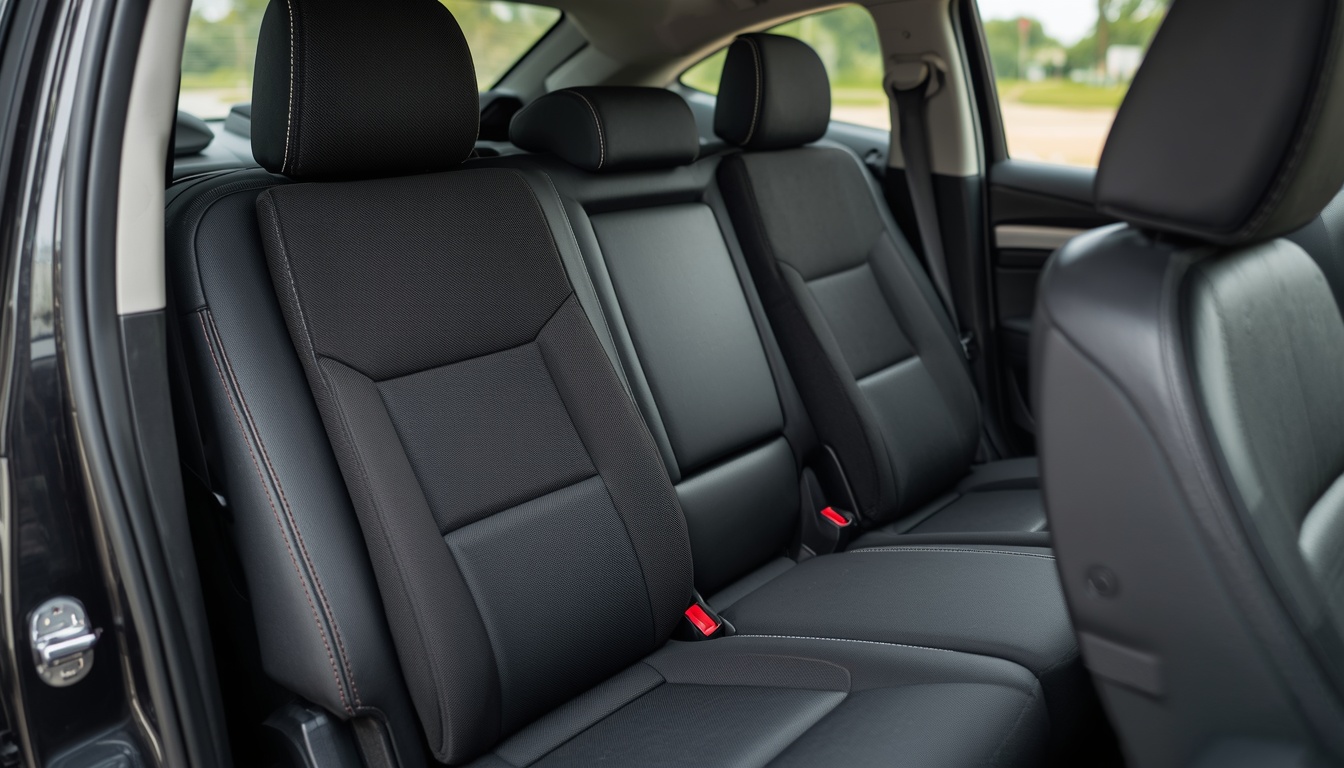
Long-distance travel by car offers flexibility and convenience, but spending hours behind the wheel or in the passenger seat can place considerable stress on the spine, muscles, and joints. Even modern vehicles with adjustable seats cannot completely eliminate the physical strain caused by prolonged sitting. Many travelers experience lower back pain, neck stiffness, shoulder tension, numbness in the legs, or general fatigue after extended journeys.
The human body is designed for movement rather than remaining in one position for several hours. When sitting continuously, the muscles responsible for supporting the spine gradually become fatigued, while pressure builds on the intervertebral discs. Poor posture, inadequate lumbar support, and improper seat adjustment can further increase discomfort, making long road trips physically exhausting.
Fortunately, advances in ergonomic design have led to the development of orthopedic car seats and specialized seat cushions that help improve comfort and reduce unnecessary strain during travel.
Understanding the Importance of Proper Seating
Maintaining a healthy sitting posture is one of the most effective ways to protect the spine during extended driving. The natural curves of the back are designed to distribute body weight efficiently. When these curves are not properly supported, muscles must work harder to stabilize the body, resulting in fatigue and discomfort.
A well-designed automotive seat supports the pelvis, lumbar spine, shoulders, and thighs while allowing the driver to maintain a relaxed position. Proper support helps distribute pressure more evenly across the body and reduces excessive loading on individual joints or muscle groups.
Even small improvements in seating ergonomics can significantly enhance comfort during journeys lasting several hours.
How Orthopedic Car Seats Improve Comfort
Orthopedic car seats are designed with human anatomy in mind. Unlike standard vehicle seats, they incorporate advanced contouring, adjustable support systems, and pressure-distributing materials that help maintain proper spinal alignment.
One of the most important features is adjustable lumbar support. This mechanism fills the natural curve of the lower back, reducing muscle fatigue and encouraging healthier posture. Some premium seats allow drivers to fine-tune both the height and firmness of lumbar support according to their individual preferences.
Many orthopedic seats also include adjustable thigh extensions that provide additional support beneath the legs. Proper thigh support reduces pressure on the hips and improves blood circulation during prolonged sitting.
High-density foam, memory foam, and advanced cushioning materials help distribute body weight evenly while minimizing pressure points. Some designs also include ventilation systems that improve airflow and reduce heat buildup, increasing comfort during warm weather.
The Benefits of Car Seat Cushions
For drivers whose vehicles do not include advanced orthopedic seating, ergonomic seat cushions provide an accessible alternative. Modern seat cushions are available in various shapes and materials, each designed to address specific comfort needs.
Memory foam cushions conform to the body’s shape, distributing pressure more evenly while reducing localized stress on the tailbone and hips. Gel-infused cushions combine pressure relief with improved temperature regulation, making them particularly comfortable during long summer drives.
Lumbar support cushions are designed to fit between the lower back and the seatback, helping maintain the natural curve of the spine. Adjustable straps keep the cushion securely in place, allowing consistent support throughout the journey.
Some cushions feature coccyx cutouts that reduce direct pressure on the tailbone, making them beneficial for individuals who experience discomfort while sitting for extended periods.
Choosing the appropriate cushion depends on body shape, vehicle seat design, and individual comfort preferences. Proper positioning is equally important, as even the highest-quality cushion cannot provide full benefits if used incorrectly.
Adjusting the Seat for Better Back Health
Even the best orthopedic accessories cannot compensate for poor seat adjustment. Correct positioning should begin before the journey starts.
The driver’s hips should rest fully against the back of the seat while maintaining a slight bend in the knees. Pedals should be easily reachable without fully extending the legs. This position helps reduce strain on both the lower back and knees.
The seatback should be reclined only slightly, generally allowing an upright posture that supports the spine without forcing the head forward. Excessive reclining may increase pressure on the lower back and reduce vehicle control.
The steering wheel should be positioned close enough that the elbows remain comfortably bent while maintaining relaxed shoulders. This reduces muscle tension across the neck, upper back, and arms during prolonged driving.
The headrest should align with the back of the head rather than the neck, providing proper support and improving safety in the event of a collision.
The Role of Movement During Long Trips
Even with excellent seating support, remaining motionless for several hours is not ideal. Regular movement is essential for maintaining circulation and reducing muscle stiffness.
During long journeys, scheduled breaks allow travelers to stand, walk, and gently stretch the muscles of the back, hips, legs, and shoulders. These brief periods of activity help restore circulation, reduce joint stiffness, and decrease muscular fatigue.
Simple stretching exercises performed outside the vehicle can improve flexibility and reduce the accumulation of tension that develops during continuous sitting. Walking for just a few minutes before returning to the road often provides noticeable relief.
Passengers can also benefit from changing sitting positions periodically and performing gentle ankle or shoulder movements while seated whenever it is safe to do so.
Supporting the Neck and Upper Back
While lower back pain receives considerable attention, neck discomfort is another common complaint during long drives. Forward head posture, poorly positioned headrests, and prolonged visual focus contribute to muscle tension in the cervical spine.
Specialized neck pillows can provide additional support during rest stops or for passengers on extended journeys. Drivers should ensure that any accessory does not interfere with visibility or safe vehicle operation.
Maintaining relaxed shoulders and avoiding unnecessary gripping of the steering wheel also helps reduce upper body tension. Many drivers unconsciously tighten their muscles during stressful traffic conditions, increasing fatigue over time.
Additional Factors That Influence Comfort
Seat ergonomics represent only one aspect of maintaining spinal health while traveling. Proper hydration supports healthy circulation and muscle function throughout extended journeys. Wearing comfortable clothing that allows unrestricted movement can also improve overall comfort.
Temperature inside the vehicle influences muscular relaxation. Excessive heat may increase fatigue, while very cold conditions can contribute to muscle stiffness. Maintaining a comfortable cabin environment supports better physical endurance during long-distance travel.
Packing luggage thoughtfully is equally important. Heavy objects should be lifted using proper body mechanics, avoiding sudden twisting movements that place unnecessary stress on the lower back before or after driving.
Choosing Ergonomic Accessories Wisely
Not every ergonomic product delivers the same level of support. Materials, shape, density, durability, and compatibility with the vehicle all influence performance. Products that appear comfortable initially may not provide adequate support during several hours of continuous use.
Whenever possible, ergonomic accessories should complement the original seat rather than drastically altering the driver’s position. Excessively thick cushions may raise seating height, affecting visibility and steering wheel alignment. Balanced support generally produces the most natural and comfortable posture.
Individual needs also vary considerably. Factors such as height, body weight, previous back injuries, and existing musculoskeletal conditions influence which type of support will be most beneficial.
Conclusion
Long-distance driving places unique demands on the human body, particularly the spine and supporting muscles. Orthopedic car seats and high-quality ergonomic cushions help maintain healthy posture, distribute pressure more evenly, and reduce discomfort during extended journeys. Combined with proper seat adjustment, regular movement, thoughtful driving habits, and attention to overall ergonomics, these supportive accessories can significantly improve travel comfort while helping protect long-term spinal health. Investing in proper seating is not simply about convenience—it is an investment in safer, healthier, and more enjoyable road trips for drivers and passengers alike.