

Overtourism & Road Trips: Navigating Popular Scenic Routes Responsibly
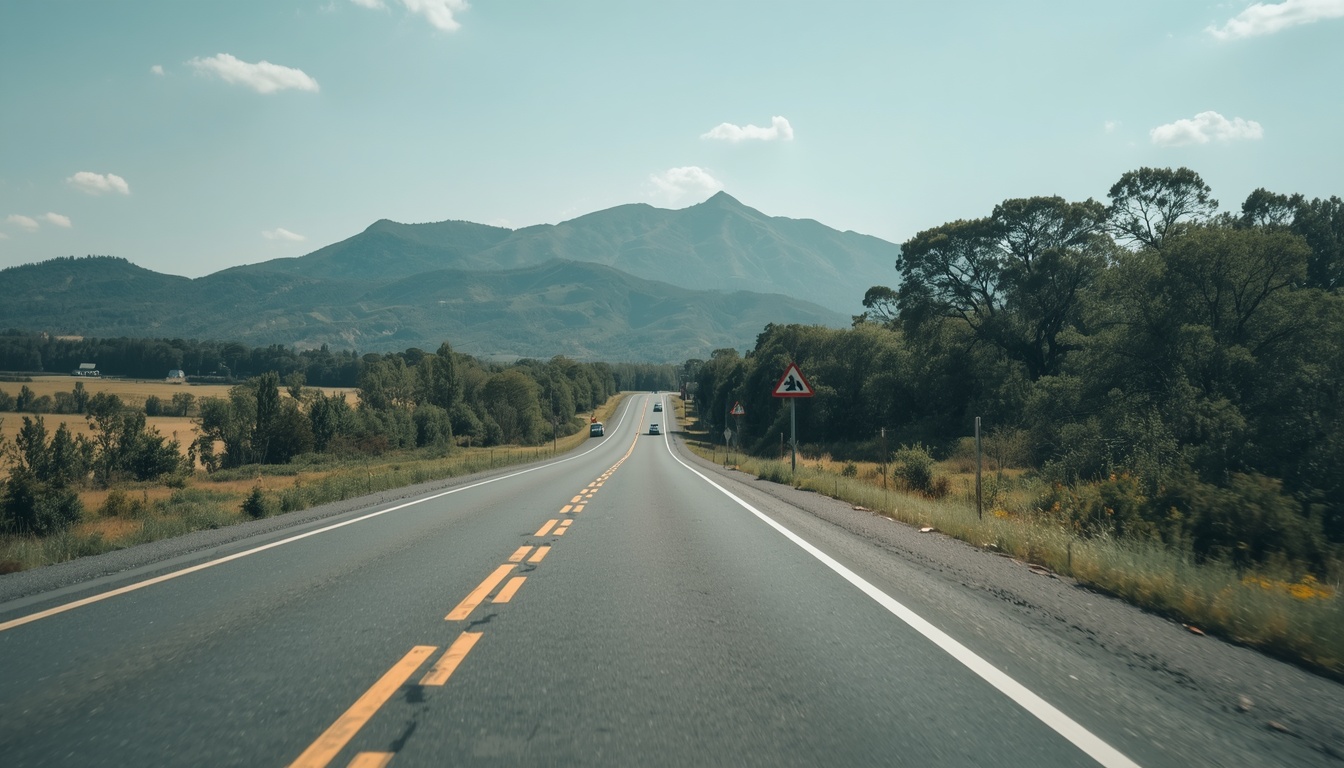
Road trips have long represented freedom, discovery, and the opportunity to experience landscapes at a personal pace. Scenic highways winding through mountains, coastlines, forests, deserts, and historic countryside attract millions of travelers every year, offering unforgettable views and easy access to remarkable destinations. However, the growing popularity of these routes has also created an increasingly visible challenge known as overtourism. Once-quiet viewpoints become crowded with vehicles, small communities struggle to accommodate seasonal traffic, fragile ecosystems experience greater environmental pressure, and the very qualities that made these roads attractive begin to disappear. Responsible road travel is becoming an essential part of preserving both natural beauty and local communities so that future generations can enjoy the same experiences.
Understanding Overtourism Beyond Cities
The term overtourism is often associated with famous urban destinations, but scenic driving routes face many of the same pressures. National parks, coastal highways, alpine passes, and rural villages frequently receive visitor numbers far beyond what local infrastructure was originally designed to support.
Parking shortages, traffic congestion, increased noise, litter, damaged vegetation, and overcrowded viewpoints can significantly affect both residents and visitors. Wildlife may alter its natural behavior due to constant human presence, while local businesses experience periods of intense seasonal demand followed by quieter months that make long-term planning difficult.
Unlike cities, many scenic destinations have limited road capacity, making congestion especially difficult to manage without damaging surrounding environments.
Why Road Trips Continue to Grow in Popularity
Several factors have contributed to the growing popularity of road travel. Flexible itineraries allow travelers to explore at their own pace while discovering destinations beyond traditional tourist centers. Improvements in navigation technology make remote locations more accessible than ever before, and social media continuously introduces breathtaking viewpoints to global audiences.
Photographs and travel videos often inspire thousands of people to visit the exact same locations, sometimes within a remarkably short period. As lesser-known places become widely shared online, they can quickly experience visitor numbers that exceed available facilities.
While increased tourism may support local economies, unmanaged growth can place significant pressure on roads, public services, and natural resources.
Planning Beyond Peak Seasons
One of the simplest ways to reduce the effects of overtourism is to travel outside the busiest periods whenever possible. Many scenic routes offer equally impressive experiences during spring, autumn, or even winter, depending on local weather conditions.
Traveling during quieter months often provides additional benefits beyond reducing congestion. Accommodation may be more readily available, local businesses have more time to interact with visitors, roads become less crowded, and popular viewpoints offer a greater sense of tranquility.
Even adjusting departure times by a few hours can significantly reduce traffic around famous attractions during busy travel seasons.
Respecting Small Communities
Many iconic road trip destinations pass through villages and rural towns whose populations remain relatively small throughout the year. During holiday periods, visitor numbers may temporarily exceed the number of permanent residents several times over.
Responsible travelers recognize that these communities are not simply attractions but places where people live, work, attend school, and maintain local traditions. Driving slowly through residential areas, following parking regulations, minimizing unnecessary noise, and supporting local businesses all contribute to more positive relationships between visitors and residents.
Purchasing food, fuel, or locally produced goods within these communities also helps distribute tourism benefits more directly to the people who maintain these destinations year-round.
Protecting Fragile Natural Environments
Roadside landscapes often appear vast and resilient, yet many ecosystems are surprisingly delicate. Alpine vegetation, coastal dunes, desert soils, wetlands, and wildflower meadows can require decades to recover from relatively minor disturbances.
Remaining on designated trails and observation platforms helps protect fragile habitats while reducing erosion. Parking only in approved areas prevents damage to roadside vegetation and allows emergency vehicles to maintain access when necessary.
Wildlife deserves similar consideration. Feeding wild animals alters natural behavior, increases dependence on human food sources, and sometimes creates dangerous situations for both animals and travelers. Observing wildlife from an appropriate distance protects both ecological balance and visitor safety.
Driving Habits That Reduce Environmental Impact
Responsible road travel extends beyond destination choices to everyday driving behavior. Smooth acceleration, maintaining consistent speeds, and avoiding unnecessary idling improve fuel efficiency while reducing emissions.
Proper vehicle maintenance also contributes to more sustainable travel. Correct tire pressure, efficient engine performance, and regular servicing reduce fuel consumption while minimizing the likelihood of mechanical failures that could disrupt traffic or create environmental hazards.
Carpooling, when practical, further reduces the number of vehicles occupying scenic roads during busy periods without diminishing the travel experience.
The Influence of Social Media
Modern travel inspiration increasingly originates online. Spectacular photographs encourage exploration but sometimes unintentionally concentrate enormous numbers of visitors in very specific locations. Hidden viewpoints, remote waterfalls, and quiet scenic overlooks may become crowded shortly after achieving viral popularity.
Responsible content creators can help reduce these pressures by promoting respectful travel behavior alongside beautiful imagery. Highlighting lesser-known destinations, encouraging off-season visits, and emphasizing environmental stewardship helps balance tourism across wider geographic areas.
Sharing experiences thoughtfully can inspire exploration while minimizing unintended consequences for vulnerable destinations.
Supporting Sustainable Tourism
Sustainable tourism seeks to balance visitor enjoyment with environmental protection and community well-being. For road travelers, this often means making conscious decisions throughout every stage of the journey.
Choosing locally owned accommodations, restaurants, and tour operators supports regional economies more directly than relying exclusively on large international businesses. Participating in conservation programs, respecting protected areas, and following local regulations all contribute to preserving the destinations that make scenic road trips possible.
Many parks and conservation areas now use visitor management systems, reservation requirements, or shuttle services to reduce congestion while protecting sensitive habitats. Participating in these programs demonstrates respect for both nature and local management efforts.
Discovering Alternatives to Famous Routes
Some of the most memorable road trips occur away from internationally recognized destinations. While iconic scenic highways deserve their reputation, countless secondary roads offer equally rewarding experiences with fewer crowds.
Exploring alternative routes often leads travelers through historic villages, regional parks, agricultural landscapes, and cultural sites overlooked by mainstream tourism. These journeys frequently provide more authentic interactions with local communities while distributing tourism benefits more evenly across different regions.
Flexibility allows travelers to appreciate the journey itself rather than focusing exclusively on famous landmarks.
Preserving Scenic Roads for Future Travelers
The popularity of road trips is unlikely to decline as travelers continue seeking meaningful outdoor experiences and greater independence in their journeys. With that popularity comes a shared responsibility to protect the landscapes, communities, and ecosystems that make these adventures possible.
Every responsible decision, whether choosing a quieter travel season, respecting local residents, reducing environmental impact, supporting sustainable businesses, or caring for natural habitats, contributes to preserving scenic routes for future generations. Road trips are about far more than reaching a destination. They represent an opportunity to experience the world thoughtfully, appreciating not only remarkable landscapes but also the people and environments that give those places their unique character.
By approaching every journey with awareness and respect, travelers help ensure that the world’s most beautiful roads remain inspiring, accessible, and environmentally healthy for many years to come.