

The Future of Hydrogen Cars in Long-Distance Travel: Promise, Progress, and Real-World Experience
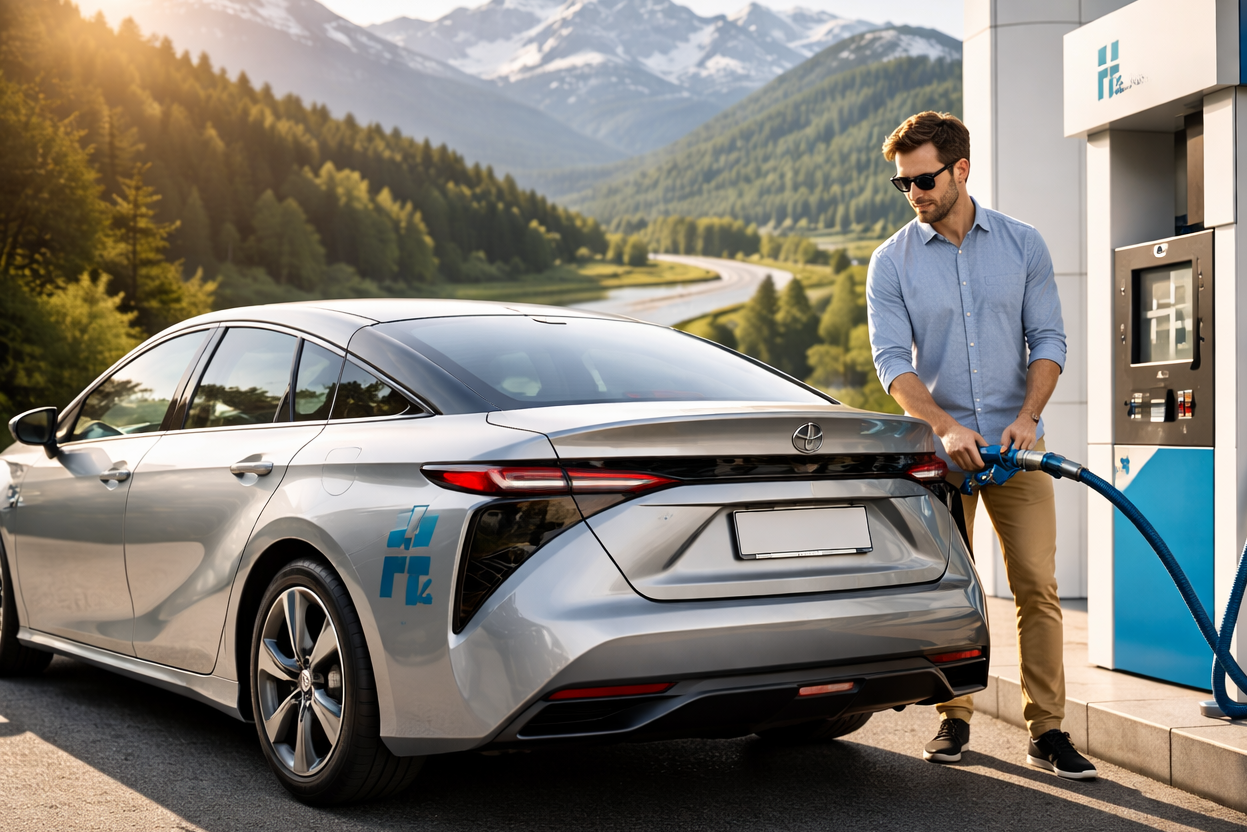
As the automotive industry searches for sustainable alternatives to fossil fuels, hydrogen-powered vehicles continue to attract attention, particularly in the context of long-distance travel. While battery-electric cars dominate headlines, hydrogen fuel cell vehicles offer a different vision of clean mobility, one that combines zero tailpipe emissions with fast refueling and extended driving range. The future of hydrogen cars on long journeys depends on technological progress, infrastructure development, and the real experiences of drivers who already rely on this technology.
Hydrogen fuel cell vehicles generate electricity onboard by combining hydrogen with oxygen, producing only water vapor as a byproduct. Unlike battery-electric vehicles, they do not require lengthy charging stops. Refueling a hydrogen car typically takes only a few minutes, closely resembling the experience of filling a conventional gasoline vehicle. This characteristic makes hydrogen particularly attractive for long-distance travel, where downtime can significantly impact convenience and planning.
Current hydrogen car models demonstrate the potential of this technology. Vehicles such as the Toyota Mirai and the Hyundai NEXO already offer ranges that exceed many electric cars, often reaching 400 miles or more on a single tank. These cars are designed with long highway drives in mind, providing smooth performance, quiet operation, and consistent power delivery regardless of distance. For drivers accustomed to frequent refueling stops with electric charging, hydrogen offers a familiar and efficient alternative.
However, infrastructure remains the most significant challenge. Hydrogen refueling stations are still limited and concentrated in specific regions, such as parts of California, Japan, South Korea, and select European countries. Long-distance hydrogen travel is currently possible only where station networks are sufficiently dense and reliable. Governments and private companies are investing heavily in expanding hydrogen infrastructure, particularly along major transportation corridors, but progress varies widely by region.
Despite these limitations, real-world travel stories highlight both the promise and the current constraints of hydrogen mobility. Drivers who have undertaken long road trips in hydrogen cars often describe the experience as surprisingly normal. Routes must be planned carefully, with refueling stops chosen in advance, but once on the road, the driving experience itself feels seamless. Many report appreciating the lack of range anxiety that can accompany electric vehicles, especially in cold weather or at high speeds where battery efficiency may drop.
Hydrogen cars also show promise for heavy and long-haul applications, which directly influences their future viability for extended travel. Commercial trucks, buses, and even trains powered by hydrogen are already being tested or deployed. These applications help accelerate infrastructure growth, which in turn benefits private vehicle owners. As hydrogen production becomes more efficient and increasingly powered by renewable energy, the environmental benefits of long-distance hydrogen travel will grow stronger.
Cost remains another important factor. Hydrogen vehicles and fuel are still relatively expensive compared to conventional cars and electricity. However, as production scales and technology matures, costs are expected to decline. Early adopters often benefit from incentives, free fuel programs, and manufacturer support, making long-distance hydrogen travel more accessible than it might appear at first glance.
Looking ahead, the future of hydrogen cars in long-distance travel is not about replacing electric vehicles, but complementing them. Hydrogen offers a solution for drivers who value quick refueling, long range, and consistent performance over extended distances. As infrastructure expands and real-world usage grows, hydrogen-powered travel may transition from niche experiment to practical option.
The road to widespread hydrogen adoption is still long, but the technology has already proven that clean, long-distance travel without compromise is possible. With continued investment, innovation, and shared travel experiences, hydrogen cars may play a meaningful role in shaping the future of sustainable mobility across vast distances.