

The Best Snacks for Kids on the Go: Smart Choices for Stress-Free Road Trips
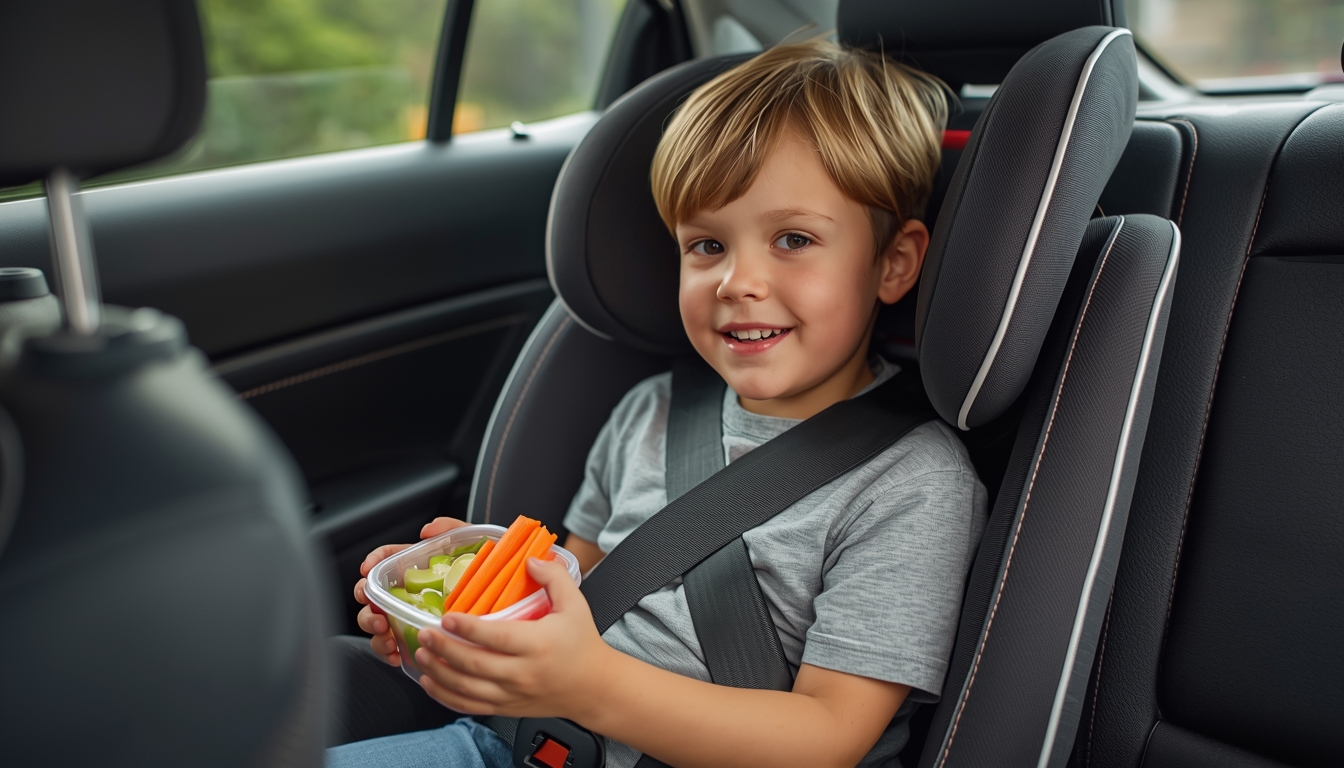
Traveling with children can be an exciting adventure, but long hours on the road often come with one unavoidable challenge—hunger. When kids get hungry, they can quickly become restless, impatient, and uncomfortable. Having the right snacks on hand is not just about satisfying appetite; it plays a crucial role in maintaining energy levels, mood, and overall travel harmony. Choosing the best snacks for a road trip requires a balance between nutrition, convenience, and minimal mess.
Why Snack Planning Matters on the Road
Unlike being at home, road trips limit access to fresh meals and structured eating times. Gas stations and roadside stops often offer highly processed options that may provide temporary satisfaction but lead to energy crashes later. Thoughtful snack planning ensures that children receive consistent nourishment throughout the journey.
Well-chosen snacks can prevent sudden hunger spikes, reduce frequent stops, and keep children engaged. They also help maintain stable blood sugar levels, which is essential for avoiding mood swings and fatigue during long drives.
Portable and Mess-Free Options
One of the most important factors when selecting snacks for travel is convenience. Foods that are easy to handle and do not create excessive mess are ideal in a car environment.
Finger foods such as sliced fruits, pre-cut vegetables, and small sandwiches are practical choices. Grapes, apple slices, carrot sticks, and cucumber pieces are refreshing and easy to pack. Wrapping items individually or storing them in small containers makes distribution simple and keeps everything organized.
Dry snacks like crackers, rice cakes, and whole-grain cereal are also excellent options. They are lightweight, easy to store, and unlikely to spill if packed properly.
Balancing Nutrition and Enjoyment
Children are more likely to eat snacks they enjoy, so it is important to combine nutrition with appeal. Including a mix of flavors and textures keeps snack time interesting.
Protein-rich options such as cheese cubes, yogurt pouches, or boiled eggs help keep kids full for longer periods. Healthy fats from nuts or seed-based snacks provide sustained energy, though it is important to consider allergies.
Natural sweetness from fruits can satisfy cravings without relying on sugary treats. Dried fruits can also be included in moderation, offering a convenient alternative to fresh produce.
Hydration Is Just as Important
Snacks alone are not enough; proper hydration plays a key role in keeping children comfortable during travel. Water should always be the primary drink, as it helps regulate body temperature and prevents fatigue.
Spill-proof bottles are especially useful in a moving vehicle. Avoiding sugary drinks reduces the risk of energy crashes and unnecessary mess. Including hydrating foods such as watermelon slices or oranges can also contribute to fluid intake.
Keeping Snacks Organized and Accessible
Organization can make a significant difference during a road trip. Having snacks within easy reach reduces the need to stop frequently and allows children to eat when they feel hungry.
Using small containers or divided snack boxes helps portion food and keeps different items separate. Preparing individual snack packs for each child can minimize disputes and make distribution easier.
A dedicated snack bag or cooler can keep perishable items fresh and ensure everything stays in one place. This simple system saves time and reduces stress during the journey.
Avoiding Common Mistakes
While it may be tempting to pack only treats, relying too heavily on sugary or highly processed snacks can lead to rapid energy spikes followed by crashes. This often results in irritability and decreased comfort.
Another common mistake is bringing snacks that are difficult to eat in a car, such as foods that crumble easily or require utensils. Sticky or messy items can quickly create chaos in a confined space.
Choosing practical, balanced options helps maintain a clean environment and a positive travel experience.
Making Snack Time Part of the Journey
Snacks can also become a fun and interactive part of the trip. Offering a variety of options allows children to feel involved in their choices. Rotating snacks throughout the journey keeps things exciting and prevents boredom.
Parents can use snack breaks as moments to relax, connect, and recharge. Even a simple snack can turn into a small highlight during a long drive.
Conclusion
The best snacks for kids on the go are those that combine nutrition, convenience, and enjoyment. With thoughtful preparation, it is possible to create a selection of foods that keeps children satisfied, energized, and happy throughout the journey. By focusing on balance, organization, and practicality, road trips can become smoother, more enjoyable experiences for the entire family.