

Safe Journeys Together: Family Travel Safety Tips Every Parent Should Know
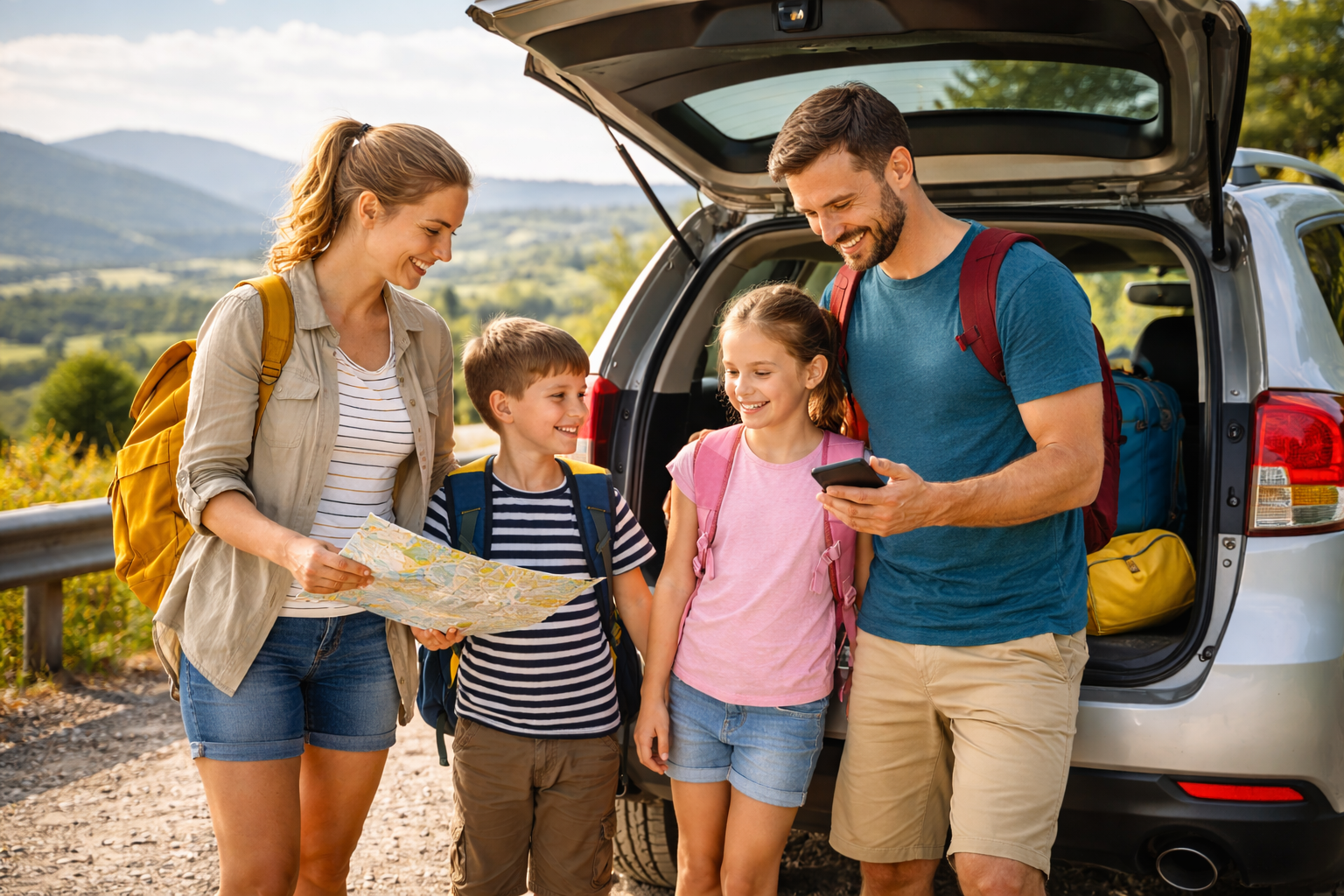
Traveling as a family creates lasting memories, strengthens bonds, and introduces children to new cultures and experiences. At the same time, family trips come with unique safety challenges that differ significantly from solo or adult-only travel. When children are involved, even small oversights can quickly turn into stressful situations. Family travel safety is not about eliminating spontaneity, but about building a reliable framework that allows parents to focus on enjoyment while minimizing risks.
Safety-conscious family travel begins long before departure. Preparation is the invisible layer that supports every successful trip. From choosing transportation and accommodations to planning daily routines, parents must think not only about convenience but also about predictability, adaptability, and child-specific needs. A well-prepared family is better equipped to handle delays, unfamiliar environments, and unexpected disruptions without panic.
One of the most critical aspects of family travel safety is maintaining a sense of routine amid change. Children rely heavily on familiar patterns for emotional regulation and physical well-being. While travel naturally disrupts daily schedules, maintaining consistent sleep times, meal rhythms, and calming rituals provides a sense of security. This stability reduces overtiredness, irritability, and impulsive behavior, which in turn lowers the likelihood of accidents or risky situations.
Transportation safety deserves particular attention. Whether traveling by car, plane, train, or boat, parents must ensure that children are properly restrained and supervised at all times. Car seats, booster seats, and seat belts should be age- and size-appropriate, correctly installed, and used consistently, even on short trips. Fatigue often tempts parents to relax rules, but consistency is essential for safety. During long journeys, regular breaks help children release energy and reduce restlessness, allowing everyone to stay more focused and alert.
Air travel introduces its own safety considerations. Airports are crowded, fast-paced environments where children can easily become overwhelmed or distracted. Establishing simple rules, such as staying within arm’s reach or holding hands in busy areas, significantly reduces the risk of separation. Teaching children to recognize uniformed staff and calmly ask for help if they become lost adds an additional layer of protection without creating fear.
Accommodation choices also play a major role in family safety. Parents should assess not only comfort but also layout and potential hazards. Secure windows, protected balconies, and clearly defined sleeping areas help prevent nighttime accidents. In unfamiliar spaces, taking a few minutes upon arrival to identify exits, safe zones, and potential risks allows parents to adjust the environment before children fully explore it.
Health and hygiene are another cornerstone of safe family travel. Children’s immune systems are still developing, making them more susceptible to illness when exposed to new environments. Regular handwashing, access to clean drinking water, and mindful food choices reduce the risk of common travel-related illnesses. Parents should also consider how climate, altitude, or local conditions might affect children differently than adults, adjusting activity levels and schedules accordingly.
Emotional safety is just as important as physical protection. Travel exposes children to unfamiliar sounds, languages, and social norms, which can be exciting but also intimidating. Parents who explain what to expect and validate children’s reactions help them feel grounded. When children feel emotionally secure, they are more likely to listen, cooperate, and communicate discomfort before it escalates into unsafe behavior.
Another often overlooked aspect of family travel safety is situational awareness. Parents must balance attentiveness with presence, remaining aware of surroundings without projecting constant anxiety. Calm observation allows adults to anticipate potential issues, such as crowded streets, changing weather, or unfamiliar transportation systems, and adjust plans accordingly. Children naturally mirror adult behavior, so composed, confident responses help them remain calm in uncertain situations.
Clear communication within the family enhances safety at every stage of travel. Establishing simple signals, meeting points, and shared expectations helps everyone understand their role. Older children can be involved in basic planning decisions, which fosters responsibility and awareness. When children feel included, they are more attentive and engaged, reducing the likelihood of impulsive actions.
Flexibility is a key safety skill for parents on the move. Rigid schedules can increase stress and lead to rushed decisions, while adaptability allows families to respond to changing conditions without compromising safety. Weather delays, missed connections, or unexpected closures are easier to handle when plans include buffer time and alternative options.
Cultural awareness also contributes to family safety. Understanding local customs, transportation norms, and social expectations helps parents guide children appropriately and avoid misunderstandings. Teaching children respectful behavior in new environments not only enhances safety but also enriches the travel experience.
Ultimately, safe family travel is not about controlling every variable, but about creating a supportive structure that allows exploration within clear boundaries. Preparation, routine, communication, and emotional awareness work together to form a safety net that protects children while allowing families to enjoy the freedom of travel.
When parents approach travel with intention rather than fear, safety becomes a natural part of the journey. Children learn by example that the world can be explored thoughtfully and responsibly. With the right mindset and practices, family travel becomes not only an adventure, but also a powerful opportunity to build trust, resilience, and shared confidence—mile by mile, together.