

Crossover vs Station Wagon: The Comeback of the Wagon for Travelers
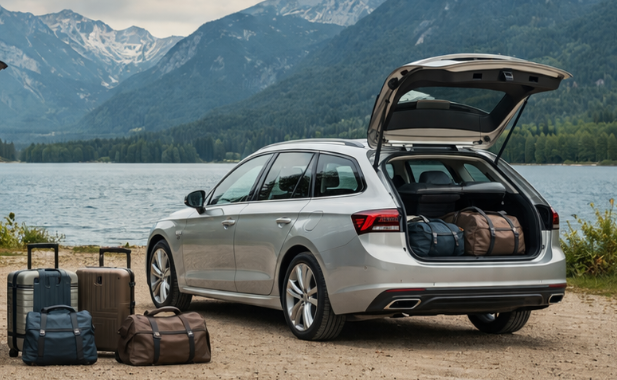
For more than a decade, crossovers have dominated the global automotive market, becoming the default choice for families, commuters, and adventure seekers alike. Their elevated driving position, bold styling, and reputation for versatility made them nearly unstoppable in showrooms around the world. Yet beneath this dominance, a quiet but meaningful shift has begun to take shape. Station wagons, once dismissed as outdated and unfashionable, are steadily returning to relevance—particularly among people who travel frequently and value efficiency, comfort, and practicality.
This resurgence is not driven by nostalgia alone. Modern travelers are reevaluating what truly matters during long journeys, and in many cases, the station wagon offers a more balanced and intelligent solution than the ever-popular crossover.
The Rise and Plateau of the Crossover
To understand the wagon’s comeback, it is important to recognize why crossovers became so successful in the first place. They combined the practicality of a hatchback with the visual appeal and perceived safety of an SUV. Higher ground clearance, optional all-wheel drive, and spacious interiors made them suitable for a wide range of driving conditions.
However, as the market matured, many drivers began to notice trade-offs. Crossovers tend to be heavier, less aerodynamic, and often less fuel-efficient than lower-profile vehicles. For daily commuting, these compromises may go unnoticed, but for long-distance travel, they can significantly impact comfort, cost, and driving experience.
Why Travelers Are Rethinking Their Choice
Frequent travelers tend to prioritize different qualities compared to urban drivers. Long hours on highways, the need for efficient packing, and the importance of driving comfort shift attention away from image and toward performance and usability. This is where station wagons begin to stand out.
With a lower center of gravity, wagons offer more stable handling and a smoother ride, especially at higher speeds. This translates into reduced driver fatigue, which becomes increasingly important on extended road trips. Additionally, their aerodynamic design contributes to better fuel efficiency, allowing travelers to cover greater distances with fewer stops.
Cargo Space and Practical Design
One of the strongest arguments in favor of station wagons is their cargo capacity. While crossovers often appear larger, wagons frequently provide more usable storage space due to their elongated body shape and lower load floor. This design makes packing and organizing luggage significantly easier.
Travelers who carry camping gear, sports equipment, or multiple suitcases benefit from the wagon’s wide and accessible cargo area. The absence of excessive height means items can be loaded without lifting them too high, which is both convenient and practical during frequent stops.
Comfort on Long Journeys
Comfort is a decisive factor for anyone who spends hours behind the wheel. Station wagons excel in this area thanks to their car-like driving dynamics. Unlike many crossovers, which can feel top-heavy and less responsive, wagons deliver a more connected and controlled driving experience.
This difference becomes particularly noticeable on winding roads and highways, where stability and precision contribute to a more relaxed journey. Reduced cabin noise, smoother suspension behavior, and better road feedback all enhance the overall travel experience.
Efficiency and Cost Considerations
Fuel efficiency remains a critical concern for travelers, especially in times of fluctuating fuel prices. Station wagons typically outperform crossovers in this regard due to their lighter weight and more streamlined shape. Over the course of a long trip, these savings can become substantial.
In addition to fuel costs, maintenance and tire wear are often lower for wagons, as their design places less strain on mechanical components. For individuals who travel frequently, these factors contribute to a more economical ownership experience.
A Shift in Design and Perception
Modern station wagons have also undergone a transformation in design. They are no longer seen as purely utilitarian vehicles but as refined, stylish alternatives that combine elegance with functionality. Automakers have introduced sleek lines, advanced technology, and premium interiors, making wagons appealing to a new generation of drivers.
As a result, the perception of wagons is changing. They are increasingly viewed as smart, intentional choices rather than compromises, especially among those who value substance over trends.
Conclusion
The return of the station wagon is not a rejection of the crossover but a reflection of evolving priorities among modern travelers. As people seek vehicles that offer efficiency, comfort, and practical design for long-distance journeys, wagons are proving to be a compelling alternative. Their ability to combine driving pleasure with real-world usability positions them as an ideal choice for those who spend significant time on the road. In a market once dominated by height and presence, the quiet efficiency of the station wagon is once again finding its place.