

Off-Road Electric Vehicles: Conquering Trails with Zero Emissions
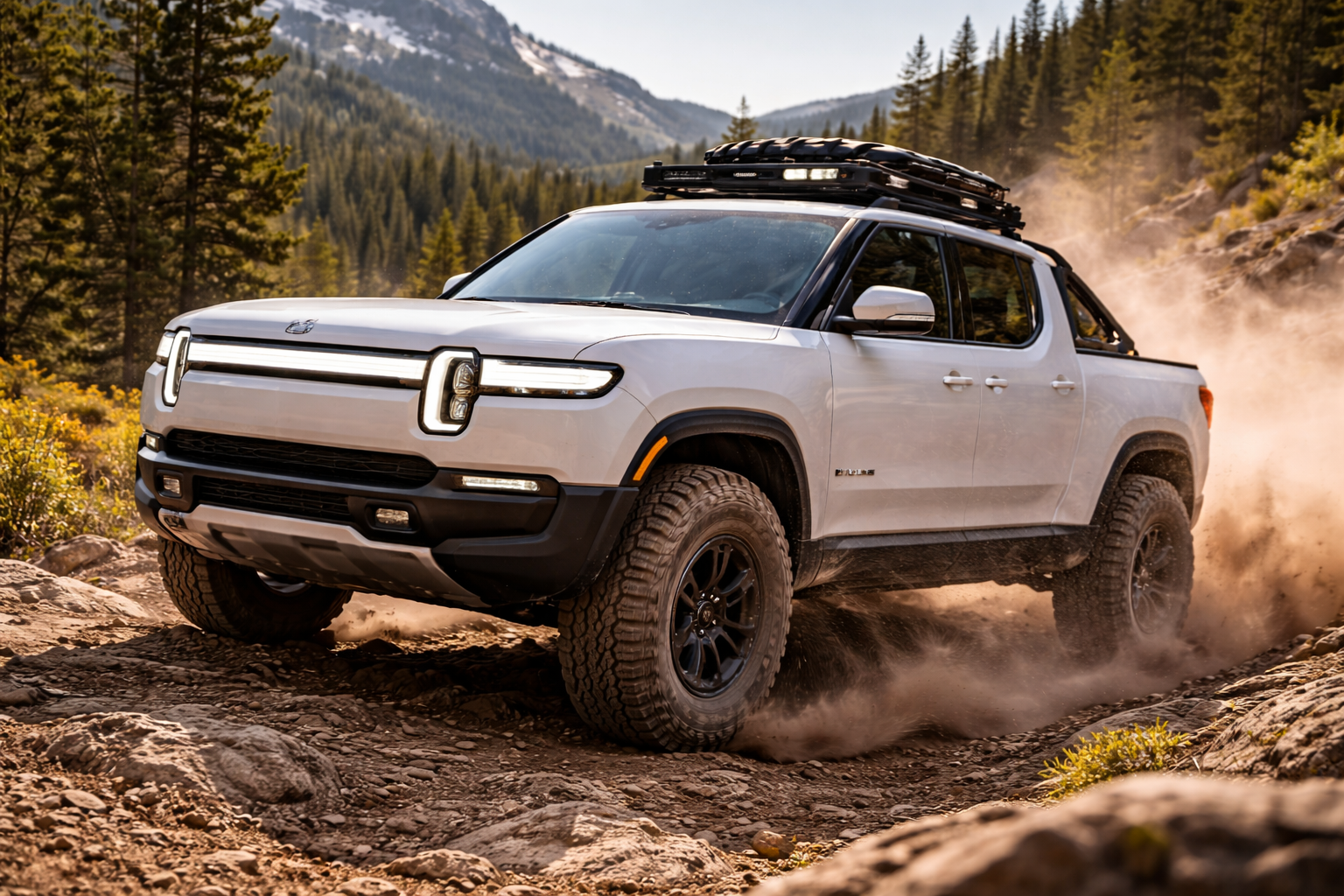
The image of an off-road vehicle has long been associated with roaring engines, clouds of dust, and the unmistakable scent of fuel. Yet a new generation of vehicles is redefining what it means to explore beyond paved roads. Off-road electric vehicles are emerging as a powerful alternative, combining advanced battery technology, instant torque, and innovative engineering to tackle rugged terrain without producing tailpipe emissions. As electric mobility continues to evolve, the wilderness is no longer reserved for combustion engines.
Electric powertrains offer unique advantages for off-road driving. Unlike traditional internal combustion engines, electric motors deliver instant torque from a standstill. This immediate response allows for precise throttle control when climbing steep inclines, navigating rocky paths, or crawling over obstacles. The absence of gear shifts results in smoother power delivery, which can enhance traction on uneven terrain. Additionally, electric drivetrains typically contain fewer moving parts, potentially reducing mechanical complexity and maintenance needs in demanding environments.
Battery placement also contributes to off-road capability. Many electric vehicles position battery packs low within the chassis, lowering the center of gravity. This design improves stability on side slopes and during sudden maneuvers. The even distribution of weight across axles further enhances balance, particularly when traversing unpredictable surfaces such as mud, sand, or loose gravel.
Several manufacturers have recognized the growing interest in electric off-road performance and have developed models specifically engineered for trail conditions. The Rivian R1T stands out as one of the most prominent examples. Designed with adventure in mind, it features quad-motor all-wheel drive, allowing each wheel to receive independent torque adjustments. This configuration provides exceptional traction control and enables advanced features such as tank turns in certain conditions. With adjustable air suspension and impressive ground clearance, the R1T demonstrates that electric trucks can compete directly with traditional off-road icons.
Another notable example is the GMC Hummer EV. Reinvented as an electric supertruck, it combines substantial power output with advanced off-road systems. Features such as adaptive air suspension and multiple terrain modes allow drivers to adjust ride height and vehicle behavior depending on the environment. Its substantial battery capacity supports extended driving range, while underbody protection shields critical components from trail hazards.
Ford has also entered the electric off-road conversation with the F-150 Lightning, which, while not exclusively built as a dedicated rock crawler, offers robust capabilities suitable for light to moderate off-road adventures. Its electric platform provides smooth acceleration and controlled power distribution, making it adaptable to various terrain types. As manufacturers refine specialized off-road packages for electric platforms, the distinction between conventional and electric adventure vehicles continues to blur.
Beyond trucks, purpose-built electric off-road vehicles are gaining traction in recreational and utility sectors. Electric side-by-sides and off-road SUVs are increasingly used in agriculture, conservation work, and remote-area tourism. Their quiet operation is particularly advantageous in natural environments, minimizing noise pollution and reducing disturbance to wildlife. In sensitive ecosystems, the ability to traverse terrain without producing direct emissions aligns with broader sustainability goals.
Charging infrastructure remains a central consideration for off-road electric exploration. While urban charging networks are expanding rapidly, remote trail systems often lack convenient charging access. To address this, some manufacturers emphasize extended battery range and portable charging solutions. Adventure-focused drivers are also incorporating solar-assisted charging setups and planning routes carefully to balance range and exploration. As battery technology improves and fast-charging capabilities expand, range anxiety in off-road contexts is expected to decrease.
Durability and environmental resilience are critical in off-road design. Electric vehicles intended for rugged use must feature reinforced underbody protection, sealed battery systems resistant to water and debris, and advanced thermal management to maintain performance under extreme temperatures. Manufacturers investing in off-road EV development are engineering robust enclosures and protective systems to ensure reliability in challenging conditions.
The environmental impact of off-road driving has long been a topic of discussion. Electric vehicles offer a meaningful step toward reducing local emissions and lowering overall environmental footprint, particularly when charged using renewable energy sources. While battery production carries its own ecological considerations, ongoing improvements in recycling and material sourcing are addressing these challenges. The transition toward electric off-road mobility reflects a broader commitment to balancing adventure with responsibility.
Off-road electric vehicles represent more than a technological novelty. They embody a shift in how exploration is perceived and experienced. The quiet hum of an electric motor replacing engine noise creates a different connection with the landscape. Drivers can hear natural surroundings more clearly, enhancing immersion in the environment they seek to explore.
As innovation continues, electric vehicles designed for rugged terrain are likely to expand in capability, range, and accessibility. From high-performance electric trucks to specialized utility vehicles, the off-road sector is embracing electrification at an accelerating pace. Conquering trails with zero emissions is no longer a distant concept but an evolving reality, merging adventure, engineering, and environmental awareness into the next chapter of automotive exploration.