

What to Pack When Traveling with a Baby or Toddler: A Complete Stress-Reducing Guide
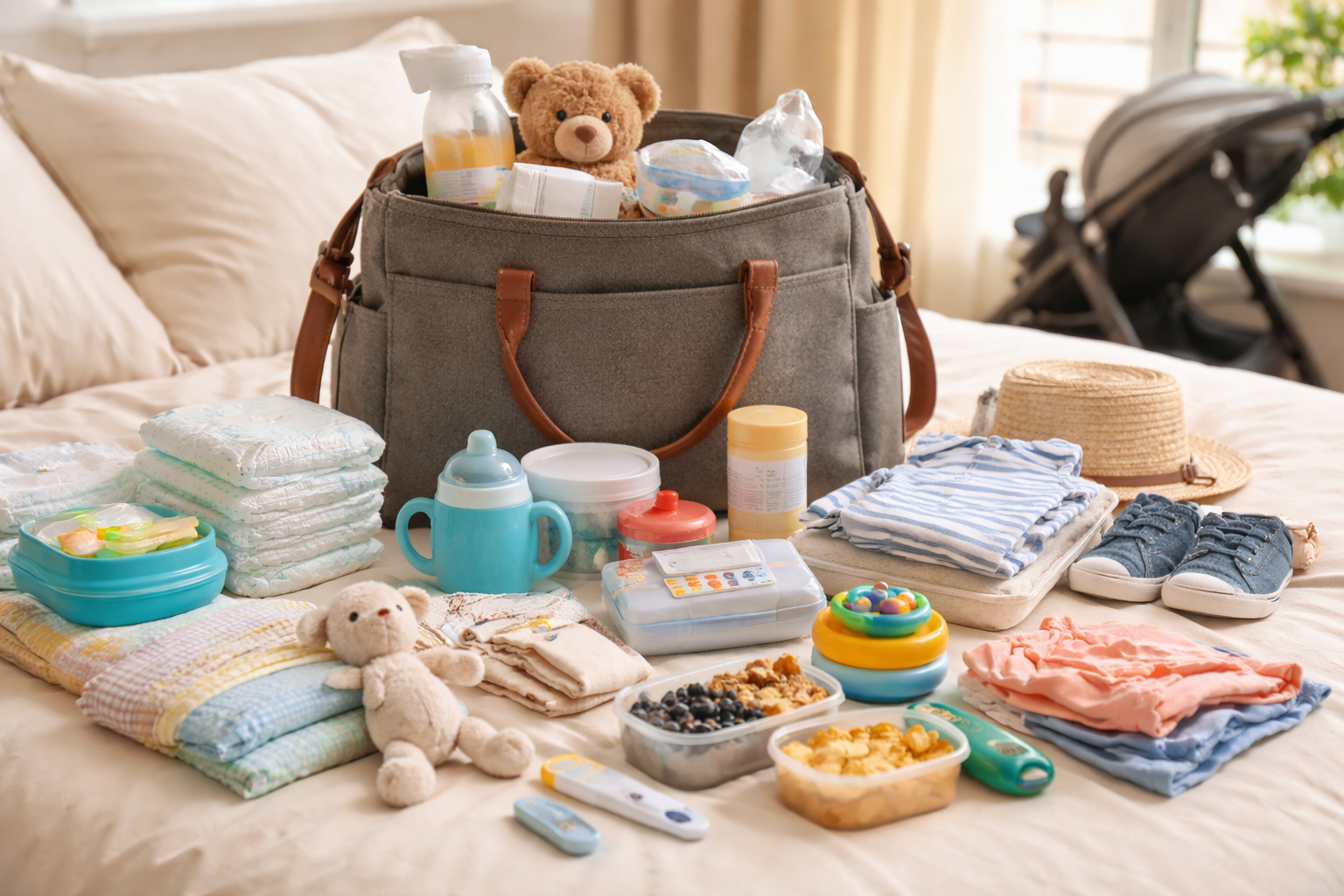
Traveling with a baby or toddler can feel overwhelming, even for experienced parents. Unlike adult travel, where forgetting an item might mean a quick store visit or minor inconvenience, traveling with young children requires thoughtful preparation. Babies and toddlers rely on consistency, comfort, and quick responses to their needs, especially in unfamiliar environments. Packing correctly is not about overloading your luggage, but about creating a mobile version of safety, routine, and reassurance wherever you go.
This guide explores what to pack when traveling with a baby or toddler, helping you feel prepared, confident, and ready to enjoy the journey rather than simply survive it.
Understanding the Needs of Young Travelers
Babies and toddlers experience travel very differently from adults. Changes in temperature, time zones, sounds, and routines can quickly lead to discomfort or distress. Packing effectively means anticipating these challenges and bringing items that support familiarity and flexibility.
At this age, children depend on predictable care: regular feeding, sleep cues, hygiene, and emotional comfort. When those needs are met, travel becomes smoother not only for the child but for everyone involved.
Essentials for Feeding on the Go
Feeding supplies form one of the most critical parts of your packing list. Hunger can escalate quickly into discomfort or tears, so easy access is key.
For babies, pack enough formula, expressed breast milk, or breastfeeding accessories to last beyond the planned duration of the trip, allowing for delays. Include bottles, nipples, bottle brushes, and travel-sized sterilizing solutions. If your baby has started solids, bring familiar purees, baby food pouches, and feeding spoons they already know.
Toddlers benefit from familiar snacks that provide comfort and stability. Include spill-proof snack containers, favorite crackers or fruit snacks, and a reusable cup or bottle. Keeping food consistent helps avoid digestive issues and emotional frustration caused by unfamiliar tastes.
Diapering and Hygiene Supplies
Diaper changes are inevitable, and being unprepared can quickly turn stressful. Pack more diapers than you expect to need, especially for travel days. Include wipes, diaper cream, disposable changing pads, and sealable bags for used diapers or soiled clothes.
For toddlers in potty training, bring training pants, spare underwear, and easy-to-remove clothing. Hand sanitizer, gentle soap, and disinfecting wipes help maintain hygiene when facilities are limited.
Travel-size versions of your baby’s regular skincare products are important, as switching brands unexpectedly can cause irritation or allergic reactions.
Clothing: Planning for Comfort and Climate
When packing clothes for babies and toddlers, comfort and adaptability matter more than aesthetics. Choose soft, breathable fabrics that layer easily.
Bring multiple outfit changes per day, especially for babies prone to spills or diaper leaks. Include weather-appropriate layers such as lightweight jackets, hats, or sun protection. Sleepwear deserves special attention—familiar pajamas help signal bedtime even in a new environment.
Don’t forget socks, comfortable shoes for toddlers, and a compact laundry bag to separate clean and dirty clothes during the trip.
Sleep and Comfort Items
Sleep disruptions are one of the biggest challenges when traveling with young children. Packing familiar sleep-related items can make a significant difference.
Consider bringing a portable crib or travel bassinet if your accommodation does not guarantee one. Familiar bedding, a favorite blanket, or a well-loved stuffed animal can provide emotional security. White noise machines or apps help mask unfamiliar sounds in hotels or rental homes.
Maintaining a similar bedtime routine—bath, pajamas, story, sleep—helps children adjust more quickly to new surroundings.
Health, Safety, and First Aid
Health-related items should never be overlooked. Pack a small first aid kit with baby-safe fever reducers, thermometer, nasal aspirator, teething relief, bandages, and any prescribed medications.
Include sunscreen suitable for children, insect repellent if traveling to warm climates, and child-safe hand cream for dry conditions. Copies of medical documents, insurance cards, and pediatrician contact information add an extra layer of preparedness.
Safety items such as outlet covers, cabinet locks, or corner protectors may be useful for longer stays in unfamiliar accommodations.
Entertainment and Emotional Support
Travel involves waiting, transitions, and moments of boredom that can be challenging for toddlers. Bring a small selection of favorite toys, books, or comfort objects rather than overwhelming choices.
Board books, soft toys, and interactive items like stacking cups or simple puzzles provide distraction and familiarity. For toddlers, coloring materials, reusable stickers, or story downloads can help during long journeys.
Most importantly, your presence, calm voice, and reassurance remain the strongest tools for helping children cope with travel-related stress.
Gear That Makes Travel Easier
Certain baby gear can significantly simplify travel. A lightweight stroller or baby carrier allows flexibility depending on terrain and crowds. Travel-friendly high chairs or seat attachments help maintain feeding routines.
Car seats, when required, should meet safety regulations and be familiar to your child. While bulky, they often provide comfort and continuity, especially during road trips.
Packing gear strategically reduces strain on parents and increases overall comfort for children.
Final Thoughts
Traveling with a baby or toddler is less about perfection and more about preparation with compassion. By packing thoughtfully, you create a sense of continuity that helps young children feel safe and supported, even far from home.
When their basic needs are met—food, comfort, sleep, and connection—babies and toddlers are remarkably adaptable travelers. With the right essentials on hand, your journey can become an opportunity for shared discovery, meaningful bonding, and memorable first experiences rather than a source of stress.
Prepared packing doesn’t just fill a suitcase—it creates peace of mind, allowing you to focus on what truly matters: being present with your child as you explore the world together