

Luxury SUVs vs. Camper Vans: Which Travel Vehicle Truly Matches Your Lifestyle?
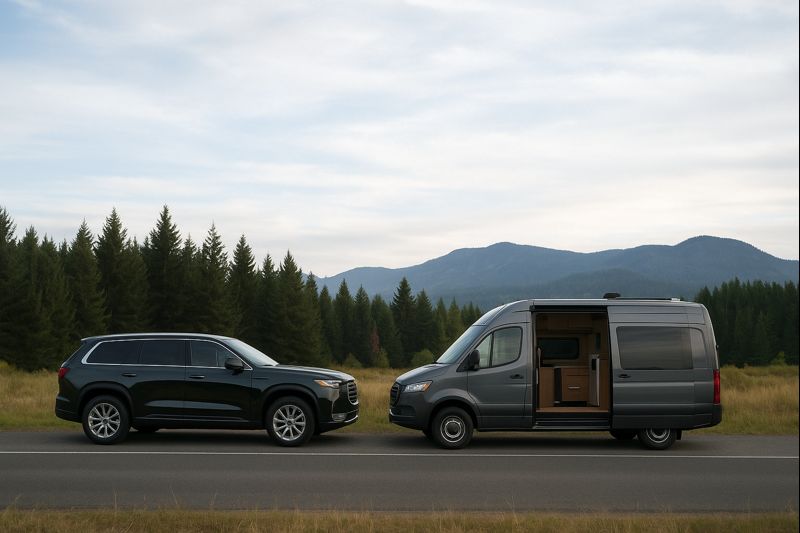
Choosing the perfect travel vehicle isn’t just about horsepower, cargo space, or glossy finishes. It’s about identity—how you like to move through the world, the pace you prefer, the comforts you value, and the way you want your journeys to feel. For many modern travelers, the debate narrows down to two very different contenders: the luxurious SUV and the freedom-driven camper van. Both promise adventure, both offer comfort, yet they cater to dramatically different lifestyles and priorities.
Below is a deep, nuanced comparison that goes beyond typical pros and cons. Instead of simply listing features, it explores how each vehicle type shapes your travel experience—your rhythm, your habits, your energy—and what that means for your ideal road life.
The Experience: High-End Comfort vs. Transformational Freedom
Luxury SUVs deliver an experience of effortless motion. You glide rather than travel. Road vibrations are muted, your seating is ergonomic, your climate control precise. Whether you’re cruising highways or dipping into mountain regions, everything feels streamlined and curated—almost polished.
Camper vans, on the other hand, shift the focus from motion to immersion. Every stop becomes potential lodging, every overlook a temporary home, every patch of wilderness a living room. The experience is less about smoothness and more about intimacy—feeling close to nature, to the environment, and to the flow of slow travel.
SUVs excel at minimizing friction. Camper vans excel at turning friction into a feature.
Lifestyle Fit: What Kind of Traveler Are You?
You might be a Luxury SUV traveler if:
- You want journeys that feel elegant, calm, and predictable.
- You prefer staying in hotels, lodges, and well-equipped rental cabins.
- You value convenience: fast check-ins, quick loading/unloading, seamless transitions.
- You take shorter or more frequent trips, often tied to work schedules or family routines.
- You like variety without sacrificing daily comfort—restaurants, indoor amenities, spas.
You might be a Camper Van traveler if:
- You see travel as a lifestyle, not an event.
- You enjoy cooking your own meals at scenic overlooks.
- You prefer flexible routes and spontaneous stops.
- You don’t mind (or even enjoy) minimalism and problem-solving on the go.
- You want more meaningful, slower and deeper contact with the environment.
SUVs support a lifestyle of curated adventure. Camper vans support a lifestyle of continuous exploration.
Space & Functionality: Organized Luxury vs. Compact Living
A luxury SUV gives you plush, thoughtfully designed seating, advanced infotainment systems, and cargo space engineered for efficiency. But your living area is essentially external—your comfort happens wherever you sleep, eat, or relax once you step out.
A camper van turns your entire vehicle into a micro-home. Storage becomes vertical, modular, and multi-purpose. Beds convert into benches, kitchens slide out, tables fold into walls, bathrooms become cleverly hidden compartments. It’s compact living at its most functional.
SUV = everything with you
Camper van = everything within you
Budget Considerations: Short-Term Cost vs. Long-Term Investment
Cost comparisons are tricky because they depend on style, model, and expectations. Luxury SUVs can be incredibly expensive, especially high-performance or full-size models with premium trim. Camper vans vary wildly—from DIY conversions to high-end professionally outfitted rigs.
But here’s the real financial difference:
- SUVs cost more during the trip (hotels, meals out, rentals, gear).
- Camper vans cost more upfront but reduce ongoing travel expenses significantly.
If travel is occasional, SUVs make financial sense.
If travel is habitual or extended, camper vans often win long-term.
Flexibility & Mobility: Speed vs. Self-Sufficiency
Luxury SUVs let you zip from point to point without logistical concerns. Narrow roads, steep climbs, urban streets—they handle everything smoothly and quickly. You can pivot plans at any time without worrying about campsite availability or parking limitations.
Camper vans slow your movement but expand your options. You become self-sufficient: lodging, kitchen, relaxation—all built in. You can camp for free in remote areas, extend sunrises, chase sunsets, or park for a mid-day nap without leaving your vehicle.
SUVs maximize mobility. Camper vans maximize independence.
Emotional Energy: What Feels Restorative to You?
Some people feel restored by things working perfectly: silent engines, smooth acceleration, climate-controlled seats, spotless interiors, beautifully tuned sound systems. For them, a luxury SUV becomes a sanctuary.
Others recharge by stripping life down to essentials: no deadlines, no rigid structures, no pre-booked hotels. Camper vans offer emotional liberation for those who feel suffocated by schedules.
Ask yourself:
Do you feel relaxed with more control, or with more freedom?
Family & Group Travel: Space vs. Togetherness
For families, SUVs provide defined spaces: kids in the back, adults in the front, luggage in the trunk. Everyone has room, outlets, cupholders, and entertainment options.
Camper vans create shared space—sometimes too shared. Privacy is limited, but bonding is amplified. Families cook together, prepare sleeping spaces together, and navigate tight interiors together. It’s either magical or stressful depending on your personalities.
SUVs are for families who prefer structured comfort.
Camper vans are for families who enjoy cozy, communal living.
Who Wins? It Depends Who You Want to Be on the Road
There is no universal winner—only the vehicle that aligns with your identity as a traveler.
- If you crave premium comfort, efficiency, and elegant movement, choose the Luxury SUV.
- If you crave freedom, slowness, and immersion in nature, choose the Camper Van.
One offers curated ease.
The other offers transformative adventure.
The best choice is the one that matches the way you want to feel while exploring the world.